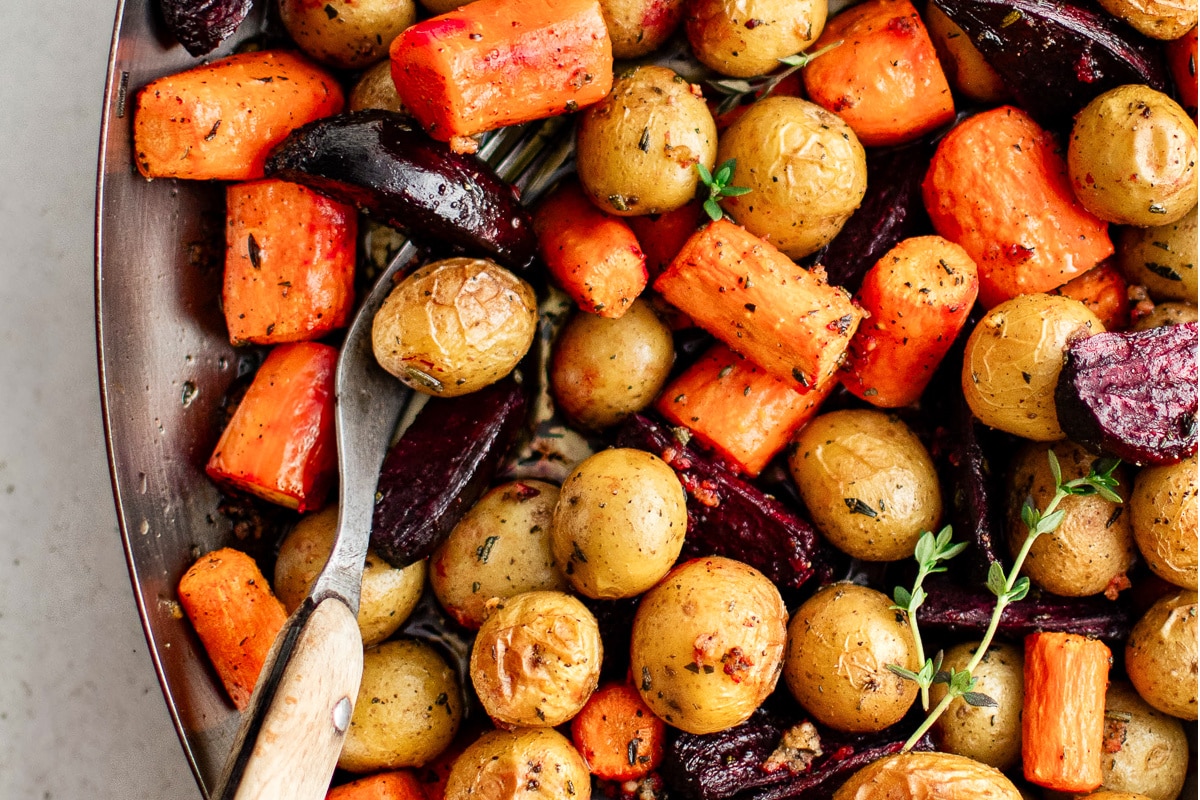
Unlock Flavor: Roasted Root Vegetables with Crispy Edges and Tender Hearts
As the days shorten and the air takes on a comforting crispness, there's a culinary magic that happens in the kitchen when the oven warms up. Few dishes evoke the cozy comfort of home quite like a generous sheet pan of roasted root vegetables. Beyond being a simple side dish, perfectly roasted roots transform humble ingredients into a symphony of textures and flavors – think deeply caramelized edges, naturally sweet and tender interiors, and an aroma that fills your home with an irresistible invitation to dine.
This article isn't just about throwing some veggies in the oven; it's about mastering the art of the roast, ensuring every bite delivers that coveted balance of crispness and melt-in-your-mouth tenderness. Whether you're a seasoned home cook or just starting your culinary journey, we'll walk you through the essential techniques, creative flavor combinations, and expert tips to make your roasted root vegetables a consistent showstopper. Get ready to elevate your side dish game and discover why this versatile medley deserves a permanent spot on your weekly menu and holiday tables alike. For even more detailed insights, don't miss The Ultimate Guide to Perfectly Roasted Root Vegetables.
The Secret to Irresistibly Crispy Edges and Tender Interiors
Achieving that perfect contrast between crispy, golden-brown edges and fork-tender centers might seem like a kitchen enigma, but it boils down to a few fundamental principles. Master these, and you'll consistently produce deeply flavored, beautifully textured easy sheet pan roasted root vegetables for any occasion.
Uniformity is Key: The Art of the Even Cut
The first, and arguably most crucial, step is to cut your vegetables into uniform sizes. We're aiming for pieces roughly 1 to 1½ inches in size. Why is this so important? Imagine a tiny sliver of carrot next to a chunky potato. The small piece will inevitably burn and dry out long before the larger piece is cooked through. By maintaining consistency, every vegetable piece has an equal opportunity to cook evenly, caramelize perfectly, and achieve that ideal tender texture inside. Smaller pieces risk burning, while larger chunks might remain raw at their core. Invest a little extra time in precise chopping; it pays off immensely in the final result.
The Power of High Heat: Unlocking Flavor Through Maillard Reaction
When it comes to roasting, heat is your friend – specifically, high heat. A temperature of 425°F (220°C) is ideal. This intense heat is crucial for encouraging the Maillard reaction, a chemical process responsible for the browning and development of complex flavors that we associate with deliciously roasted foods. It's what gives your root vegetables their inviting golden hue and incredible depth of taste. For an even crispier result, consider preheating your sheet pan in the oven as it comes up to temperature. Placing the seasoned vegetables directly onto a hot surface immediately kick-starts the browning process, preventing them from steaming and ensuring those coveted crispy edges.
Space, Not Steam: Don't Crowd the Pan!
This is a non-negotiable rule for achieving crispness. When you overcrowd a sheet pan, the vegetables release moisture, and instead of roasting, they end up steaming in their own liquid. This results in limp, soggy, and unappetizing veggies. Always spread your root vegetables in a single layer, ensuring each piece has ample "breathing room." If you have a large batch, don't hesitate to use two sheet pans. It's far better to have two pans of perfectly roasted vegetables than one crowded pan of steamed ones.
The Right Fat: A Catalyst for Caramelization
A good quality fat is essential for both flavor and texture. Extra virgin olive oil is a classic choice, and for good reason. It has a high smoke point suitable for roasting at 425°F and imparts a delicious, slightly peppery flavor that complements the sweetness of root vegetables. The oil helps conduct the high heat evenly, promoting browning and crisping. Ensure your vegetables are lightly but thoroughly coated; too little oil, and they might stick or dry out; too much, and they can become greasy.
Elevate Your Flavor Profile: Crafting the Perfect Seasoning for Your Roasted Root Vegetables
While the natural sweetness of root vegetables is a joy in itself, the right seasoning can transform them from delicious to truly unforgettable. The beauty lies in the versatility; you can keep it simple and classic or explore more complex, vibrant flavor profiles.
The Classic Combination: Simple Yet Sublime
Sometimes, less is more. A generous drizzle of good quality extra virgin olive oil, minced garlic, salt, and freshly ground black pepper is all you need to coax out the inherent deliciousness of roasted root vegetables. The garlic infuses a warm, savory note, while the salt enhances their natural sweetness and encourages browning.
Tangy & Bright: The Balsamic-Dijon Dressing
For an extra layer of complexity and a delightful tangy kick, a simple dressing works wonders. Whisk together balsamic vinegar and Dijon mustard, then slowly stream in olive oil until emulsified and smooth. A pinch of salt and pepper rounds out this vibrant dressing. The acidity from the balsamic vinegar not only adds flavor but can also subtly tenderize the vegetables as they roast, while the Dijon mustard provides a piquant depth.
Mediterranean Inspired: Roasted Garlic and Preserved Lemon
Drawing inspiration from Mediterranean flavors, consider roasting a whole head of garlic alongside your vegetables. The cloves become mellow, sweet, and buttery. Once roasted, mash the soft garlic and toss it with the hot vegetables straight out of the oven. For an invigorating burst of brightness, finely chop some preserved lemon and sprinkle it over the medley. The salty, tangy, and intensely aromatic preserved lemon offers a stunning contrast to the sweet, earthy roots, creating a truly sophisticated side dish.
Beyond the Basics: Creative Additions
- Fresh Herbs: Rosemary and thyme are quintessential partners for roasted root vegetables, adding an aromatic, earthy fragrance. Toss them in during the last 10-15 minutes of roasting to prevent burning.
- Spices: Experiment with warming spices like smoked paprika, cumin, coriander, or a touch of curry powder for an exotic twist.
- A Hint of Sweetness: A drizzle of maple syrup or honey during the last few minutes of roasting can enhance the natural sweetness and promote even more caramelization, creating a gorgeous glaze.
- Heat: A pinch of red pepper flakes can add a subtle warmth if you enjoy a little kick.
Choosing Your Medley: A Guide to the Best Root Vegetables for Roasting
While most root vegetables are available year-round, they truly shine during their peak season, from fall through spring, when their flavors are deeper and sweeter. This roasted root vegetable medley is wonderfully flexible; aim for about 3 pounds total, and feel free to mix and match your favorites.
Popular Choices and Their Characteristics:
- Potatoes (Gold, Red, Russet): The ultimate classic. They roast up beautifully with creamy interiors and crispy skins.
- Sweet Potatoes & Yams: Offer a natural sweetness and vibrant color. They become incredibly tender and slightly fudgy when roasted.
- Carrots: Roasting brings out their inherent sweetness, making them incredibly tender and almost candy-like.
- Parsnips: Similar to carrots but with a slightly earthier, nuttier, and spicier flavor profile. They sweeten significantly when roasted.
- Beets (Red, Golden, Chioggia): Add stunning color and a unique earthy sweetness. Roasting mellows their flavor beautifully. For red beets, consider roasting them on a separate pan or adding them towards the end if you want to prevent them from "bleeding" onto other vegetables.
- Turnips & Rutabagas: These offer a slightly peppery or earthy flavor that mellows and sweetens with roasting. Cut them a bit smaller as they can be denser.
- Celeriac (Celery Root): A fantastic, underrated root with a subtle celery-like flavor that sweetens and softens beautifully when roasted.
Pro Tip: When combining different types of root vegetables, consider their density and cook times. Harder roots like carrots, parsnips, and potatoes can start together. Softer roots or those with higher water content might be added a bit later, or simply cut harder roots into slightly smaller pieces to ensure everything finishes cooking at the same time.
Your Step-by-Step Path to Roasting Perfection
Think of this as us cooking side-by-side. Follow these steps for consistently delicious results:
- Prepare Your Veggies: Wash and peel your chosen root vegetables (peeling is optional for some, like carrots or smaller potatoes, but recommended for tougher skins). Cut them into uniform 1 to 1½-inch pieces. Remember, consistency is key!
- Ready the Pan: Line a large, rimmed sheet pan with parchment paper or foil for super easy cleanup. For deeper browning and a crisper bottom, you can leave it unlined. Place the pan in your oven and preheat to 425°F (220°C). Preheating the pan is an optional but highly recommended step for extra crispiness.
- Season Liberally: In a large bowl, combine your prepared vegetables. Drizzle generously with olive oil and your chosen seasonings (garlic, salt, pepper, herbs, spices, or the balsamic-Dijon dressing). Toss everything thoroughly to ensure every piece is lightly and evenly coated.
- Spread it Out: Carefully remove the hot sheet pan from the oven. Spread the seasoned vegetables in a single layer across the pan. Critically, ensure they are not crowded. If necessary, use two pans to give them plenty of space to roast, not steam.
- Roast and Toss: Place the pan(s) back into the hot oven. Roast for 25 to 30 minutes. At this point, pull the pan out and use a spatula to toss everything around, flipping the vegetables to ensure even browning.
- Finish Roasting: Return the pan to the oven and continue roasting for another 10 to 15 minutes, or until the vegetables are fork-tender and beautifully caramelized with crispy edges.
- Serve Immediately: Transfer your glorious roasted root vegetables to a serving platter and enjoy!
Versatile Pairings: From Everyday Meals to Festive Feasts
The beauty of perfectly roasted root vegetables lies in their incredible versatility. They effortlessly transition from a humble weeknight side to the star of a grand holiday spread, complementing a wide array of main dishes.
- Weeknight Wonders: Pair them with family favorites like a classic roast chicken, savory meatloaf, tender pork chops, or simple pan-seared fish. They add essential nutrients and satisfying flavor without extra fuss.
- Holiday Harmony: Elevate your holiday table by serving these alongside a magnificent maple-glazed turkey breast, a succulent pineapple-glazed ham, or a festive beef tenderloin. Their vibrant colors and comforting flavors make them a perfect complement to richer holiday fare.
- Creative Cuisine: Don't limit them to just a side! Leftovers can be repurposed into vibrant falafel bowls, added to grain bowls for extra fiber and sweetness, tossed into a fresh green salad for texture and depth, or even blended into a rustic vegetable soup.
Conclusion
The humble root vegetable, when given the proper attention and technique, transforms into a culinary masterpiece. With uniform cuts, high heat, ample space, and thoughtful seasoning, you can consistently achieve those coveted crispy edges and tender, sweet centers that define truly exceptional roasted root vegetables. From the simple elegance of olive oil and garlic to the tangy zest of balsamic or the aromatic charm of fresh herbs, the possibilities for flavor are endless. So, embrace the crisp air, preheat your oven, and unlock a world of comforting, delicious flavor that will delight your palate and warm your home.
