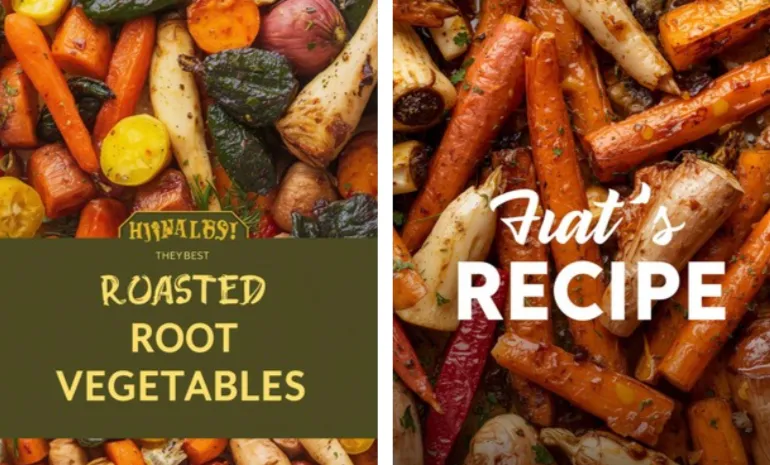
The Ultimate Guide to Perfectly Roasted Root Vegetables
As the days shorten and the air takes on that familiar crispness, there's a culinary magic that happens in kitchens worldwide: the comforting aroma of perfectly roasted root vegetables. More than just a simple side dish, a sheet pan brimming with these earthy treasures offers caramelized edges, tender, sweet centers, and a depth of flavor that can elevate any meal, from a casual weeknight dinner to a festive holiday spread. Forget bland, watery veggies – with a few simple techniques, you can transform humble roots into culinary jewels.
This guide isn't just a recipe; it's your personal chef's tutorial, walking you through the foundational principles that guarantee success every single time. We'll explore the science behind that irresistible caramelization, help you choose the best seasonal produce, and equip you with the know-how to create a dish that's both nourishing and incredibly delicious. Get ready to master the art of roasted root vegetables with crispy edges!
The Science of Perfect Roasting: Achieving Crispy Edges and Tender Interiors
The secret to exceptional roasted root vegetables lies in understanding a few fundamental principles. It's a delicate balance of preparation, temperature, and space that unlocks their natural sugars and transforms their texture.
- Uniform Cuts for Even Cooking: This is arguably the most crucial step. Imagine trying to cook a tiny pebble and a large rock to the same tenderness simultaneously – it's impossible. The same applies to your vegetables. Aim for pieces that are roughly 1 to 1 ½ inches in size. If some pieces are too small, they'll burn before the larger ones are cooked through. Conversely, oversized chunks will remain raw and hard in the middle while the outside chars. For vegetables with different densities (like dense potatoes versus softer carrots), you might even consider cutting the denser ones slightly smaller to ensure they finish cooking at the same time. This meticulous uniformity ensures every bite is perfectly tender.
- High Heat for Maillard Magic: Roasting isn't just about cooking; it's about flavor development. High oven temperatures, typically around 400-425°F (200-220°C), are essential for triggering the Maillard reaction – the chemical process responsible for that coveted golden-brown crust and rich, complex flavors. This high heat caramelizes the natural sugars in the vegetables, creating a sweetness and depth that boiling or steaming simply can't achieve.
- The Importance of Space: Crowding the pan is the nemesis of crispy, caramelized vegetables. When too many vegetables are packed together, they release moisture, creating steam. This steamy environment effectively boils your vegetables instead of roasting them, resulting in a soft, soggy outcome rather than crisp exteriors and tender interiors. Always spread your vegetables in a single layer, ensuring each piece has room to "breathe" and allow the hot air to circulate freely around it. If your recipe calls for about 3 pounds of vegetables, you might need two sheet pans to achieve this critical spacing.
- Optional Pan Preheat: For an extra boost of crispiness, consider placing your empty rimmed sheet pan in the oven while it preheats. Tossing your dressed vegetables onto an already hot surface kickstarts the caramelization process immediately, leading to an even more satisfying crunch.
Selecting Your Root Vegetables and Crafting Flavor Profiles
One of the joys of roasted root vegetables is their incredible versatility. You can use almost any combination you love, allowing the season and your palate to guide your choices.
Choosing Your Medley:
Most root vegetables are available year-round, but they truly shine during their peak season from fall through spring, when their flavors are deeper and sweeter. Aim for a total of about 3 pounds of vegetables for a standard sheet pan (or two, depending on crowding).
- Potatoes: Golden potatoes, red potatoes, Yukon Golds, or even small new potatoes all roast beautifully, offering a starchy, satisfying base. Sweet potatoes add vibrant color and a distinct natural sweetness.
- Carrots & Parsnips: These classic roasting companions become incredibly sweet and slightly nutty when caramelized.
- Beets: Red, golden, or striped varieties add stunning color and an earthy sweetness. Be mindful that red beets can bleed their color onto other vegetables, so if you prefer pristine colors, roast them on a separate section or pan.
- Turnips & Rutabagas: Often overlooked, these offer a delightful, slightly peppery or earthy flavor that mellows beautifully with roasting.
- Onions & Shallots: While not strictly root vegetables, quartered onions or whole shallots added to the pan caramelize into sweet, jammy pockets of flavor.
- Celeriac (Celery Root): This knobby root has a delicate, almost celery-like flavor that becomes wonderfully nuanced when roasted.
Crafting Your Dressing:
The beauty of roasted root vegetables with crispy edges is how well they pair with both simple and complex flavorings.
- The Classic & Simple: A drizzle of good quality extra virgin olive oil, a generous sprinkle of sea salt and freshly cracked black pepper, and minced garlic is often all you need. This minimalist approach allows the natural sweetness of the vegetables to truly shine.
- Tangy & Savory: Whisk together balsamic vinegar and Dijon mustard, then slowly stream in olive oil until emulsified. Add garlic, salt, and pepper for a vibrant, tangy coating that adds a fantastic depth of flavor.
- Herbal Infusion: Fresh rosemary, thyme, or sage, finely chopped and tossed with the oil, will infuse your vegetables with an aromatic, woody essence.
- Mediterranean Brightness: For an extra layer of flavor, consider adding a whole head of garlic to roast alongside your vegetables. Once softened, you can squeeze out the mellow, buttery cloves and toss them with the roasted roots. A sprinkle of chopped preserved lemon after roasting adds a bright, tangy counterpoint that truly awakens the palate.
- Spicy Kick: A pinch of smoked paprika, cumin, or a dash of chili flakes can add a warm, inviting heat.
- Sweet Glaze: For sweet potatoes or carrots, a touch of maple syrup or honey drizzled with the oil can enhance their natural sweetness beautifully.
Step-by-Step Mastery: Your Roasting Journey from Prep to Plate
With your vegetables selected and your flavor profile decided, let's get down to the practical steps for achieving roasted perfection.
- Preparation is Key: Wash your root vegetables thoroughly. Decide if you want to peel them – often, the skin of potatoes or carrots adds extra texture and nutrients, but for some, like rutabagas or celeriac, peeling is essential. Cut all vegetables into those uniform 1 to 1 ½ inch pieces.
- Pan & Oven Setup: Line a large, rimmed sheet pan with parchment paper or aluminum foil for effortless cleanup. For deeper browning and a crisper finish, you can leave the pan unlined. Preheat your oven to a robust 425°F (220°C). If you're preheating the pan, place it in the oven as it heats up.
- Dress and Coat: In a large bowl, combine your prepared vegetables with your chosen dressing. If using the balsamic-Dijon mixture, whisk it together first, then slowly stream in the olive oil until smooth, adding garlic, salt, and pepper. Otherwise, simply toss the vegetables directly with olive oil, garlic, salt, and pepper. Ensure the vegetables are lightly and evenly coated – you want just enough oil to facilitate browning, not drown them.
- Spread and Roast (Initial Phase): Carefully spread the coated vegetables in a single layer on the hot sheet pan. Remember the golden rule: give them plenty of space! If needed, divide them between two pans. Place the pan(s) in the preheated oven and roast for approximately 25 to 30 minutes.
- Toss and Finish: After the initial roasting time, pull the pan out of the oven. Using a spatula, toss the vegetables gently to promote even browning on all sides. Return the pan to the oven for another 10 to 15 minutes, or until the vegetables are fork-tender and beautifully caramelized with rich, golden-brown edges.
- Final Touches: Taste and adjust seasonings if necessary. If desired, sprinkle with fresh herbs, a squeeze of lemon juice, or the aforementioned roasted garlic and preserved lemon for an extra pop of flavor.
Serving Suggestions and Creative Culinary Pairings
The versatility of perfectly roasted root vegetables makes them an indispensable addition to virtually any meal. They are truly the chameleons of the culinary world, adapting effortlessly to various cuisines and occasions.
Classic & Comforting Pairings:
- Weeknight Wonders: They are the ideal companion for comforting favorites like succulent roast chicken, hearty meatloaf, a classic chicken cornbread casserole, crockpot chicken and stuffing, or even creamy chicken alfredo casserole. They also balance richer pasta dishes like linguine with clam sauce or a dump-and-bake chicken marsala.
- Holiday Feasts: Elevate your holiday table by serving them alongside a glorious maple-glazed turkey breast, a savory prime rib, or a glistening pineapple-glazed ham. Their vibrant colors and robust flavors add a celebratory touch.
- Grilled Delights: Pair them with a perfectly grilled beef tenderloin or juicy citrusy pork chops for a meal that feels both gourmet and grounded.
Beyond the Side Dish – Creative Culinary Uses:
- Salad Boosters: Cooled roasted root vegetables can be added to green salads, providing texture, warmth, and a burst of flavor.
- Grain Bowls & Buddha Bowls: Incorporate them into healthy grain bowls with quinoa or farro, a protein source (like falafel or grilled chicken), and a drizzle of tahini dressing for a satisfying, nutrient-packed meal.
- Soups & Stews: Leftovers can be pureed into a creamy, flavorful soup, or added to stews for extra body and nutrition.
- Breakfast Hash: Roughly chop any remaining roasted root vegetables and fry them up with eggs and perhaps some crumbled sausage for a gourmet breakfast hash.
Conclusion
From the crisp autumn air to the lingering chill of spring, perfectly roasted root vegetables with crispy edges stand as a testament to the power of simple ingredients and thoughtful technique. By adhering to the principles of uniform cuts, high heat, and ample pan space, you can consistently achieve that coveted balance of tender interiors and irresistibly caramelized exteriors. Whether seasoned simply with olive oil and garlic or enhanced with a sophisticated balsamic-Dijon blend, these humble roots transform into a dish that's both deeply comforting and elegantly delicious. So, next time you're planning a meal, embrace the magic of the oven. Your taste buds (and your family) will thank you for mastering this ultimate guide to perfectly roasted root vegetables!
